November 20, 2026
In the realms of modern civil engineering, municipal management, and commercial property ownership, maintenance decisions continually balance budgetary constraints, operational timelines, and structural performance. Flatwork pavements, municipal sidewalks, and industrial distribution warehouse slabs inevitably endure intense environmental weathering, persistent soil movement, and punishing traffic loads. When confronted with settled slabs, joint offsets, surface spalling, or micro-cracking, many facility directors instinctively assume that complete structural demolition and reconstruction represent the sole permanent resolution. However, modern restorative practices have evolved beyond costly replacement defaults, highlighting that targeted resurfacing through professional concrete grinding frequently yields superior operational and economic outcomes.
Specialized surface abrading involves utilizing heavy-duty planetary grinding machinery mounted with industrial diamond-matrix discs to gently shave down surface irregularities, restore level planes, and remediate superficial degradation without fracturing underlying sub-bases. Rather than mobilizing heavy hydraulic breakers, backhoes, and continuous fleets of transit concrete mixers, facility planners can restore existing substrates directly in place. This restorative methodology transforms neglected, dangerous walking pathways into smooth, high-traction, and aesthetically uniform pavements while generating remarkable cost savings and minimizing ecological impacts. Exploring the specific operational scenarios where surface rehabilitation outperforms complete reconstruction demonstrates why restorative mechanical profiling serves as the premier solution for contemporary infrastructure preservation.
1. Lowering Upfront Material and Labor Expenditures
The most compelling economic motivation for selecting surface profiling over comprehensive reconstruction is the dramatic reduction in procurement, transportation, and fabrication expenses. Complete slab replacement demands buying virgin aggregates, Portland cement mixes, reinforcing rebar lattices, and specialized perimeter forming lumber, alongside paying costly round-trip trucking charges. In contrast, mechanical profiling leverages the resilient mass of the existing concrete slab that has already rested in place for years, eliminating the requirement for raw materials. According to House Grail, concrete has a melting point of about 1,550 degrees Celsius, underscoring its resilience and the value of maintaining rather than replacing it. By conserving existing sound materials, project owners reduce capital costs while stretching municipal or corporate infrastructure budgets.
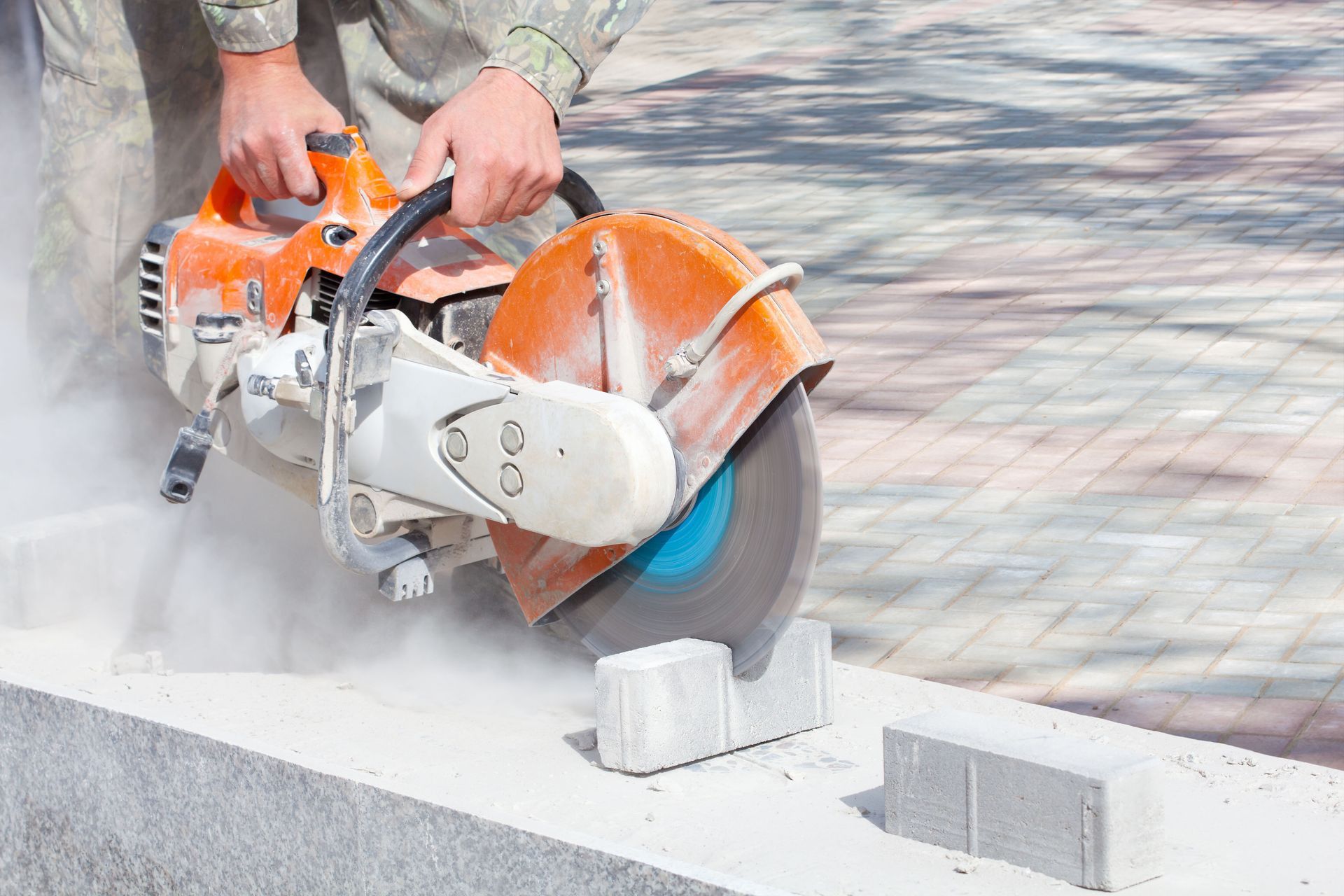
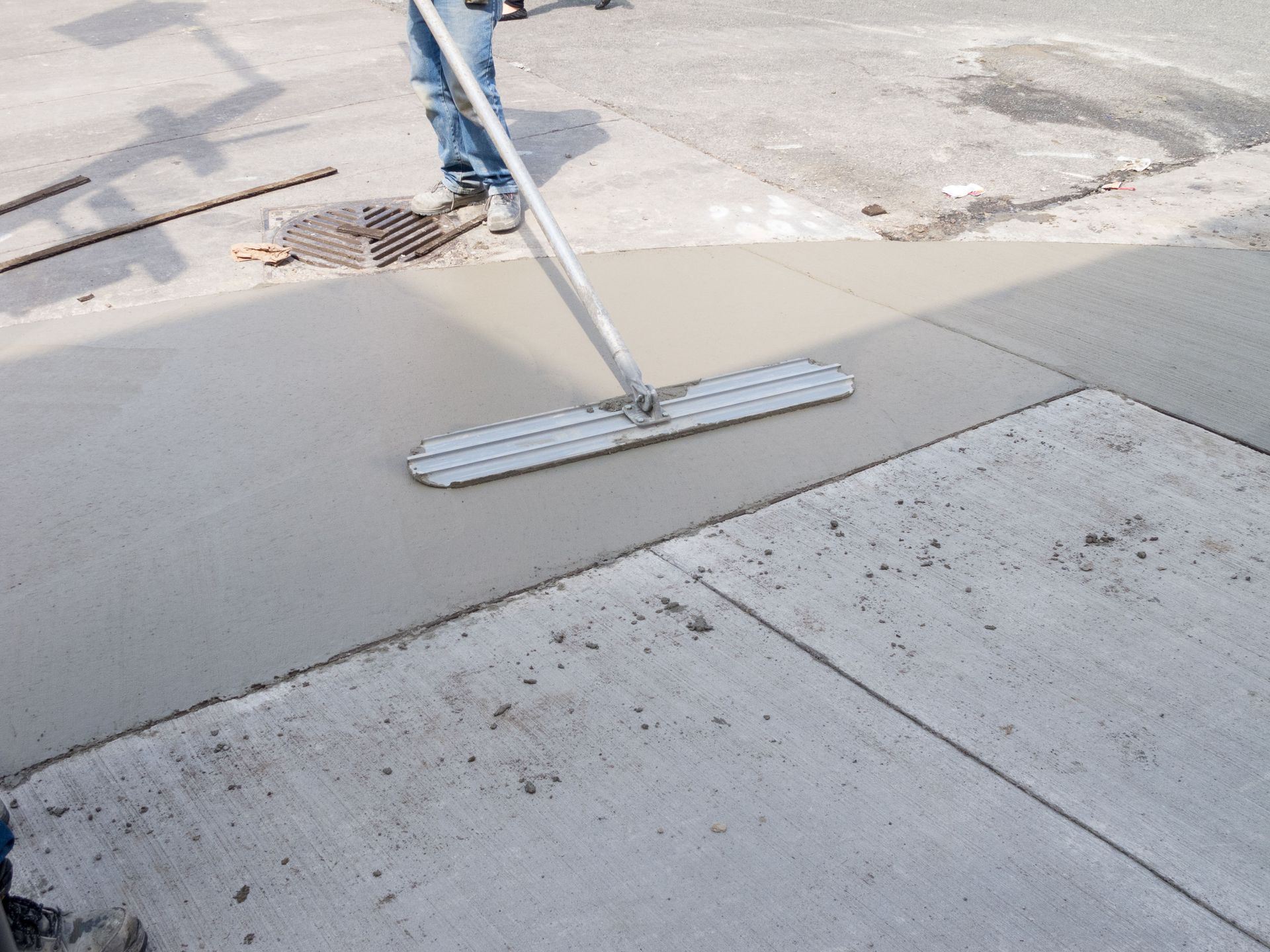
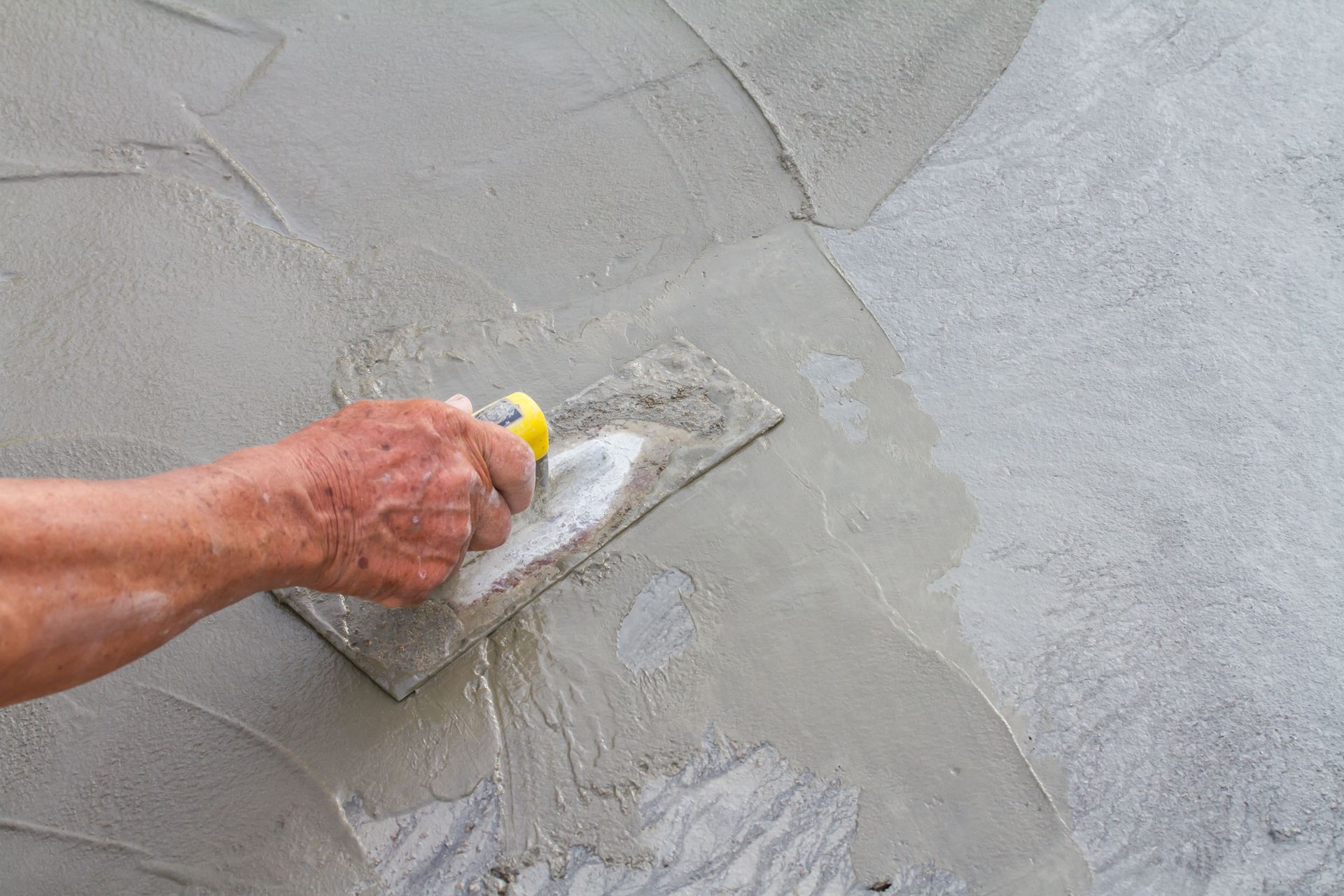
Labor dynamics similarly favor mechanical resurfacing, as full-scale reconstruction requires expansive crews to manage demolition, earthwork grading, concrete screeding, and continuous hand troweling. In direct contrast, a specialized crew of just two operators utilizing modern ride-on or walk-behind profiling machinery can remediate dozens of tripping hazards and surface flaws in a single eight-hour shift. Relying on concrete grinding ensures a smaller labor footprint that significantly reduces total billable work-hours and shields project budgets from volatile skilled-labor shortages. Furthermore, because surface planers generate only dry dust that is continuously captured by integrated industrial vacuum units, facility managers bypass the exorbitant dumping fees associated with hauling away heavy, crushed concrete rubble to overburdened regional landfills.
2. Eliminating Concrete Curing and Site Downtime
Time remains an irreplaceable commodity across busy commercial distribution hubs, busy municipal avenues, and active retail centers, making rapid project delivery essential for preserving baseline revenue. When fresh concrete is placed, site operators face mandatory waiting periods of three to twenty-eight days while hydration reactions slowly cure the slab to its targeted compressive strength. Parking facilities, loading docks, and pedestrian concourses must remain cordoned off behind construction fencing, diverting customer foot traffic and idling valuable commercial equipment. Precision concrete grinding entirely circumvents this frustrating downtime, because shaving down high spots and smoothing transitions introduces zero wet chemical compounds that require curing or ambient drying delays.
Eliminating curing intervals allows rehabilitated pathways, industrial warehouse aisles, and municipal crosswalks to reopen for heavy vehicular and pedestrian traffic immediately after vacuum equipment finishes the final pass. Commercial distribution centers can restore forklift travel ways between operating shifts without halting inventory movements or disrupting warehouse logistics. Municipal street superintendents can similarly resolve raised sidewalk slabs along high-density downtown blocks without closing active pedestrian corridors or rerouting transit riders.
3. Mitigating Landfill Solid Waste and Carbon Emissions
From an ecological stewardship standpoint, mechanically rejuvenating sound architectural slabs directly advances sustainable construction goals by curbing massive carbon dioxide emissions. The global production of Portland cement represents one of the most energy-intensive industrial processes in the world, generating substantial greenhouse gas volumes during the quarrying, kiln calcination, and transport of raw limestone. Choosing surface restoration over structural reconstruction keeps intact slabs serving their intended function, offsetting the demand for freshly manufactured cement mixes and virgin aggregates.
Furthermore, mechanical profiling delivers exceptional environmental benefits by eliminating the heavy solid-waste streams produced during traditional hydraulic pavement demolition. Demolishing standard municipal sidewalks or commercial apron slabs produces tons of dense, dust-laden masonry rubble that consumes precious municipal landfill volume. Specialized diamond concrete grinding, by contrast, shaves away only millimeter-thin layers of uneven surface material, generating minute quantities of fine aggregate powder that can be safely collected and repurposed into local asphalt or structural backfill mixes. Preserving foundational natural resources like river sand, clean water, and quarried stone minimizes local environmental disruption while championing circular economy principles within regional construction initiatives.
4. Eliminating Sidewalk Trip Hazards and ADA Violations
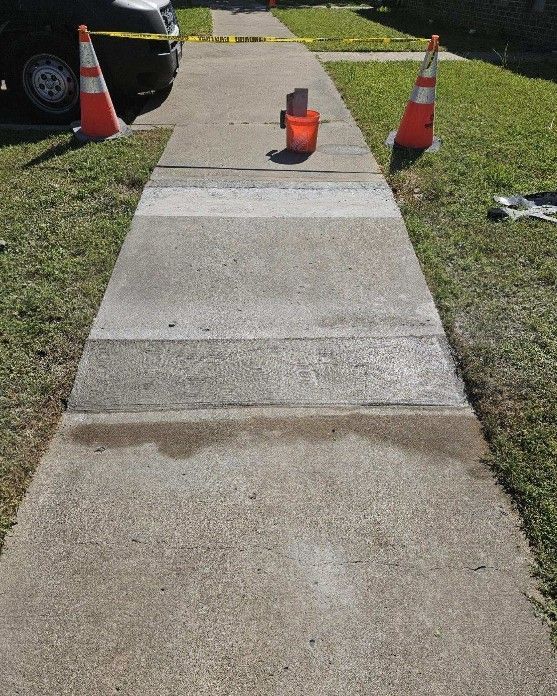
Public walkways and commercial exterior corridors face strict compliance standards enforced under the Americans with Disabilities Act, which mandates zero tolerance for abrupt vertical surface transitions exceeding one-quarter inch. When tree roots heave underlying soils or seasonal freeze-thaw cycles tilt neighboring paving slabs, small vertical offsets immediately create hazardous trip zones that expose property owners to severe personal injury litigation. Completely removing and repouring these shifted slabs introduces the dangerous risk of damaging mature tree root systems, often leading to canopy death or municipal code penalties. Deploying precise concrete grinding allows operators to plane down uneven slab joints smoothly, creating ADA-compliant, gentle ramps that eliminate trip hazards without disturbing subterranean tree root systems.
Restoring flush joint transitions through mechanical planing also improves everyday pedestrian safety across exterior municipal properties and corporate complexes. Operators utilize specialized straight-edge levels and digital angle guides to ensure that ground ramps maintain gentle, safe slopes that easily accommodate wheelchairs, strollers, and delivery hand trucks. Unlike asphalt patch wedging, which rapidly deteriorates, erodes under rainwater, and turns into unsightly crumbling debris after winter freezes, a ground joint remains a permanent, solid structural feature cut directly into the durable slab.
5. Preparing Substrates for High-Performance Decorative Coatings
Commercial, retail, and manufacturing facilities frequently struggle to achieve durable mechanical adhesion when applying high-performance epoxy, polyurethane, or polyaspartic resin coatings over existing concrete. Freshly poured replacement slabs require weeks of mandatory outgassing and moisture mitigation testing to prevent residual moisture vapor from bubbling under new resin coatings. In contrast, existing aged concrete has long finished its internal moisture curing cycle, making it an exceptionally stable substrate for direct finishing treatments. Utilizing planetary concrete grinding strips away failing coats, stubborn chemical adhesives, oils, and weak surface laitance, opening microscopic concrete pores to achieve an ideal concrete surface profile.
This mechanical profiling process transforms a contaminated, glassy slab into a clean, micro-textured canvas that guarantees powerful mechanical bonds with industrial primers and topcoats. Shaving down high ridges and evening out undulations prevents specialized coatings from pooling unevenly in low pockets or wearing prematurely over high ridges. Furthermore, for commercial businesses seeking a polished concrete look, progressive diamond grinding passes can hone and polish existing concrete slabs to brilliant, mirror-like finishes without applying synthetic sealers. This mechanical refining process exposes natural stone aggregate patterns inside the existing slab, producing exquisite architectural flooring that resists heavy forklift traffic and chemical spills for decades.
Selecting mechanical surface profiling over complete concrete demolition is a financially prudent, operationally agile, and environmentally responsible choice for modern residential, commercial, and municipal property managers. Precision concrete grinding eliminates costly material purchases, avoids long curing delays, minimizes solid landfill debris, and resolves dangerous trip hazards with minimal disruption to daily business. By maximizing the structural longevity of sound existing concrete slabs, property owners maintain pristine, code-compliant surfaces while stretching their ongoing maintenance budgets. When your municipal walkways, commercial slabs, or pedestrian corridors require expert leveling, smooth profiling, or reliable trip-hazard mitigation, turn to the dedicated restorative craftsmen at Walkway Restoration Inc.