May 26, 2026
Maintaining the structural integrity and aesthetic appeal of a residential property involves constant vigilance, especially regarding the walking surfaces that endure daily wear and tear. Concrete is the backbone of modern infrastructure, providing a sturdy and reliable foundation for various outdoor and indoor spaces. However, even the most robust surfaces are susceptible to the relentless forces of nature and the steady pressure of human activity. Over time, heavy foot traffic, fluctuating temperatures, and moisture penetration can lead to unsightly cracks, uneven slabs, and surface scaling. Addressing these issues early is essential for preventing further deterioration and ensuring the safety of everyone who visits the home.
According to House Grail, roughly 4.4 billion tons of concrete are produced around the world each year. This massive global production underscores why homeowners must understand the specific needs of their own paved areas. When a surface begins to show signs of distress, it is not merely a cosmetic concern but a signal that the underlying structure may be failing. By identifying the primary zones that experience the most stress, property owners can prioritize their maintenance efforts and seek professional assistance before minor fissures turn into major hazards.
1. Inspecting the Primary Driveway
The driveway is often the most heavily used portion of any residential landscape. It must support the weight of multiple vehicles, sometimes for hours or days at a time, while also resisting the chemical drips of automotive fluids and the abrasive action of turning tires. Because of this constant load, the driveway is a prime candidate for frequent assessments. Small spiderweb cracks can quickly expand when water enters the gaps and freezes, pushing the material apart from the inside.
When homeowners notice significant shifting or pitting, they often realize that professional concrete repairs are necessary to restore a smooth driving surface. Neglecting the driveway can lead to deep potholes that damage vehicle suspension and create tripping hazards for people walking to and from their cars. A well-maintained driveway not only improves the curb appeal of a house but also ensures that the transition from the street to the garage remains seamless and safe for all residents.
2. Monitoring the Front Walkway
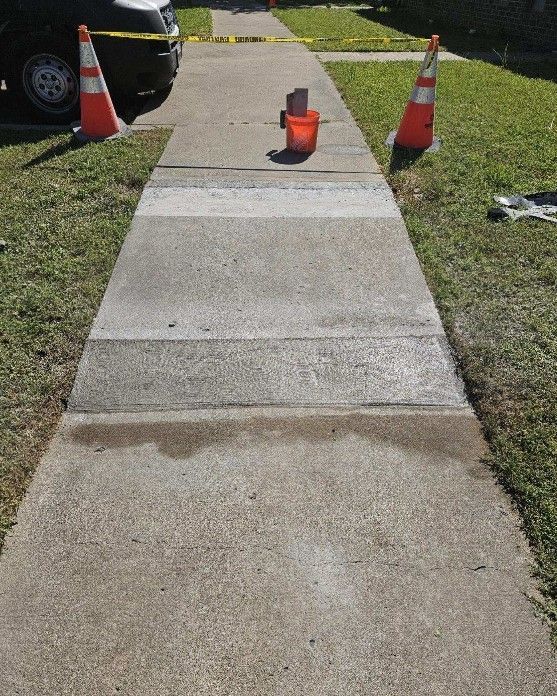
As the primary path for guests and delivery personnel, the front walkway experiences a concentrated flow of traffic. This area is vital for creating a positive first impression of the home, yet it is frequently prone to settling. If the soil beneath the path was not properly compacted during original construction, the heavy slabs may tilt or sink over time. This creates uneven lips between sections that can easily catch a toe and cause a fall.
Regular maintenance of these paths involves checking for gaps where weeds might grow or where water might pool. Since this path is the gateway to the front door, keeping it in top condition is a matter of hospitality and liability. Effective concrete repairs in this zone focus on leveling the slabs and sealing joints to prevent water from undermining the base. A flat, clear walkway communicates that the property is well-cared for and welcoming to all who approach the entrance.
3. Surveying the Backyard Patio
Patios serve as the central hub for outdoor relaxation, social gatherings, and summer dining. Because these areas often hold heavy outdoor furniture, grills, and fire pits, the pressure on the slab is unevenly distributed. Furthermore, patios are frequently located near the foundation of the house, meaning any drainage issues can lead to significant problems for both the outdoor living space and the basement. Surface erosion and discoloration are common issues that arise from exposure to spilled food, drinks, and UV rays.
To maintain a patio that is suitable for entertaining, homeowners should look for:
- Flaking or scaling on the surface of the material.
- Wide gaps forming between the patio and the home foundation.
- Slabs that have moved away from one another, creating large voids.
- Significant staining that indicates the protective sealant has worn away.
By addressing these concerns through expert concrete repairs, the outdoor living area remains a comfortable and safe extension of the home’s interior.
4. Examining the Garage Floor
While often overlooked because it is hidden behind a heavy door, the garage floor is a critical high-traffic zone. It endures the same weight as the driveway but must also deal with the added stress of contained moisture and road salt brought in during winter months. The garage floor is often a single large slab, meaning a crack in one corner can eventually migrate across the entire room if left untreated. This can lead to dust problems and make it difficult to keep the area clean.
In many cases, a garage floor acts as a workspace for hobbies or a storage area for sensitive items. Keeping the floor level and sealed is important for preventing moisture from rising through the porous material and damaging stored goods. When a floor becomes pitted or cracked, it loses its ability to shed water toward the center drain or out the door. Timely concrete repairs in the garage help preserve the value of the home and provide a cleaner, more organized environment for vehicles and storage alike.
5. Checking the Sidewalk Perimeter
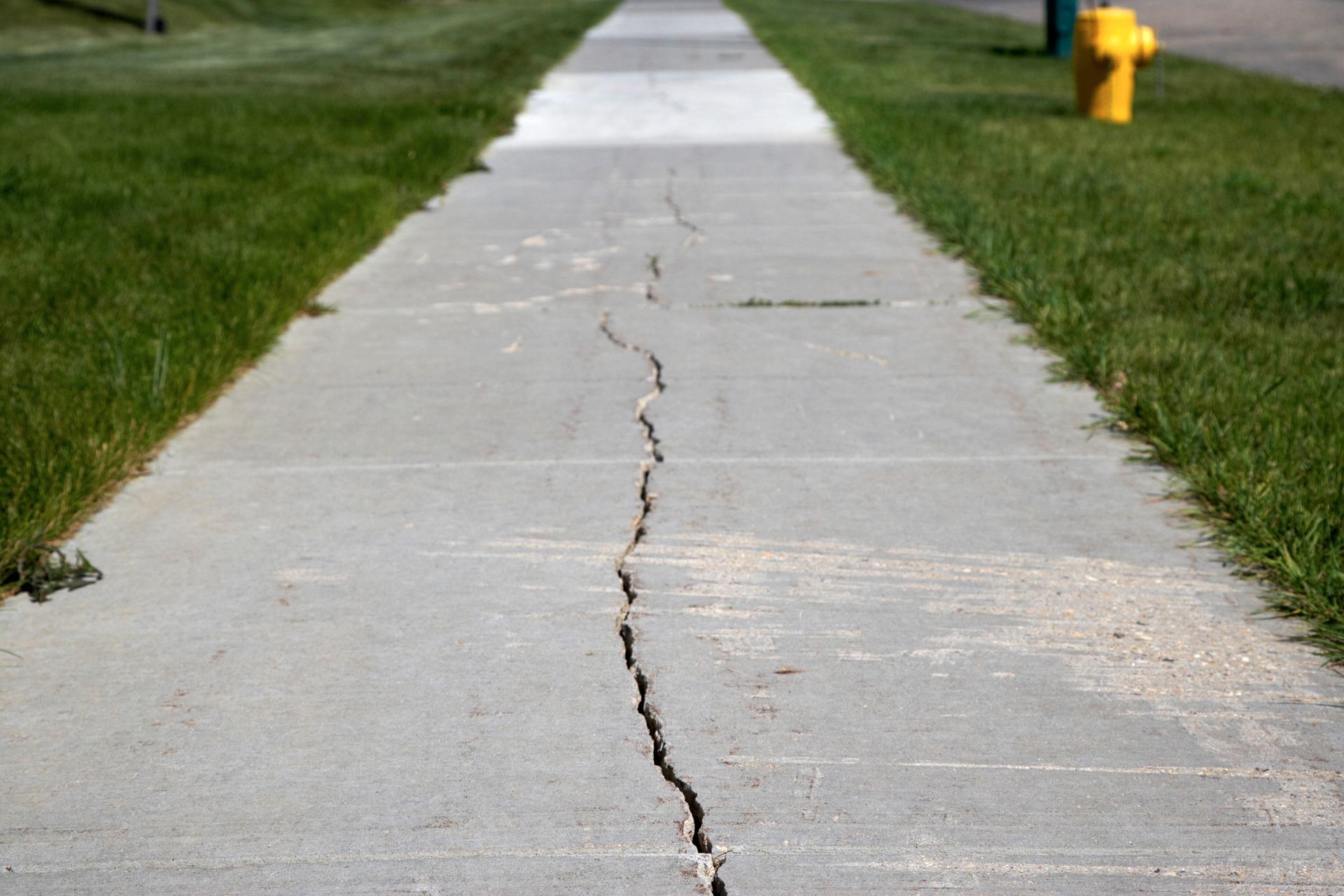
Many homes are bordered by public or semi-private sidewalks that fall under the homeowner's responsibility for maintenance. These areas see a high volume of traffic from neighbors, joggers, and pets. Because sidewalks are long and narrow, they are particularly vulnerable to the intrusive roots of nearby trees. As roots grow thicker, they exert immense upward pressure that can snap a slab in half or lift it several inches above the surrounding sections.
Ensuring these paths remain navigable is a civic duty as well as a practical necessity. A buckled sidewalk is a major liability risk and can be difficult for strollers or wheelchairs to navigate. Engaging in proactive concrete repairs allows a homeowner to grind down high spots or replace broken sections before they become a danger to the public. Maintaining these perimeter paths contributes to the overall safety and walkability of the neighborhood, fostering a better environment for everyone.
6. Evaluating the Pool Deck
The area surrounding a swimming pool is a specialized high-traffic zone that requires unique attention. This surface must remain slip-resistant even when wet, yet it is constantly exposed to chemically treated water and harsh sunlight. The constant wetting and drying cycle can cause the material to expand and contract more rapidly than other areas of the property. If the deck begins to crack or heave, it can damage the pool liner or the underground plumbing that services the filtration system.
Safety is the paramount concern around a pool, and uneven surfaces are especially dangerous in an environment where people are often barefoot and moving quickly. Common signs that maintenance is required include:
- Noticeable gaps between the coping and the deck.
- Areas where the non-slip texture has worn smooth.
- Cracks that allow water to seep behind the pool walls.
- Slabs that have tilted toward the pool, causing drainage issues.
Protecting your home involves more than just interior upkeep; it requires a dedicated focus on the sturdy surfaces that guide your movement every day. From the street to the backyard, these pathways provide the essential structure needed for a functional and beautiful residence. When the signs of age and wear become apparent, taking swift action is the best way to preserve your investment and keep your loved ones safe.
For those seeking a permanent and professional solution to sinking slabs or cracked paths, the experts at Walkway Restoration Inc provide the skills and precision necessary to perform
concrete repairs and revitalize your property’s exterior.