November 9, 2026
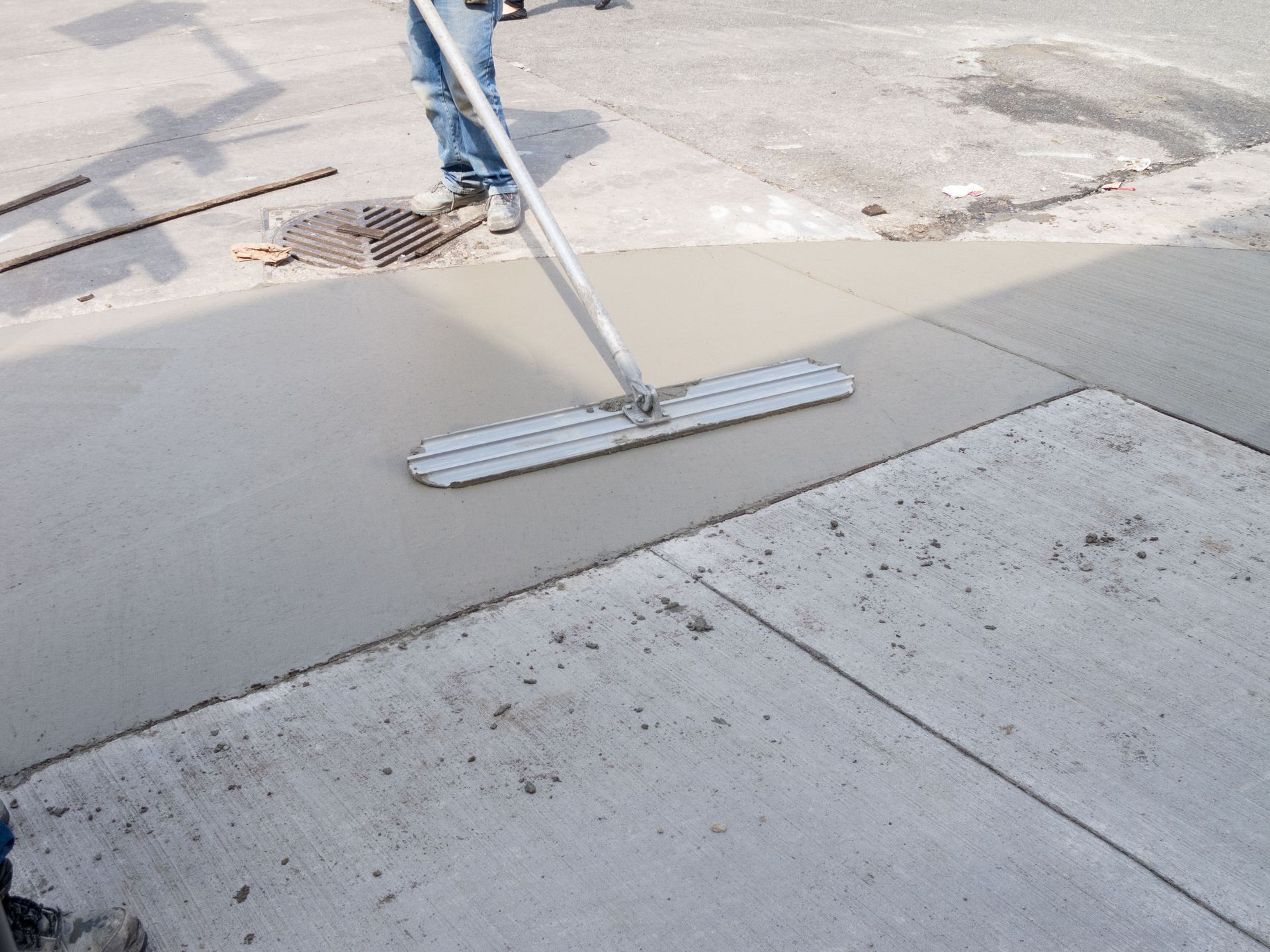
Walking across a smooth concrete entrance or driving onto a solid parking deck gives property managers and visitors alike a feeling of absolute stability. Poured concrete forms the quiet foundation of our commercial landscape, holding up massive warehouses, busy retail plazas, multi-level garages, and accessible public pathways. However, because heavy slabs appear virtually indestructible on the surface, routine wear, subtle shifts, and small surface fissures often get completely overlooked during daily operations. Neglecting these early warning signs allows environmental moisture, chemical deicers, and heavy vehicle traffic to exploit minor surface vulnerabilities, turning simple maintenance issues into severe structural liabilities.
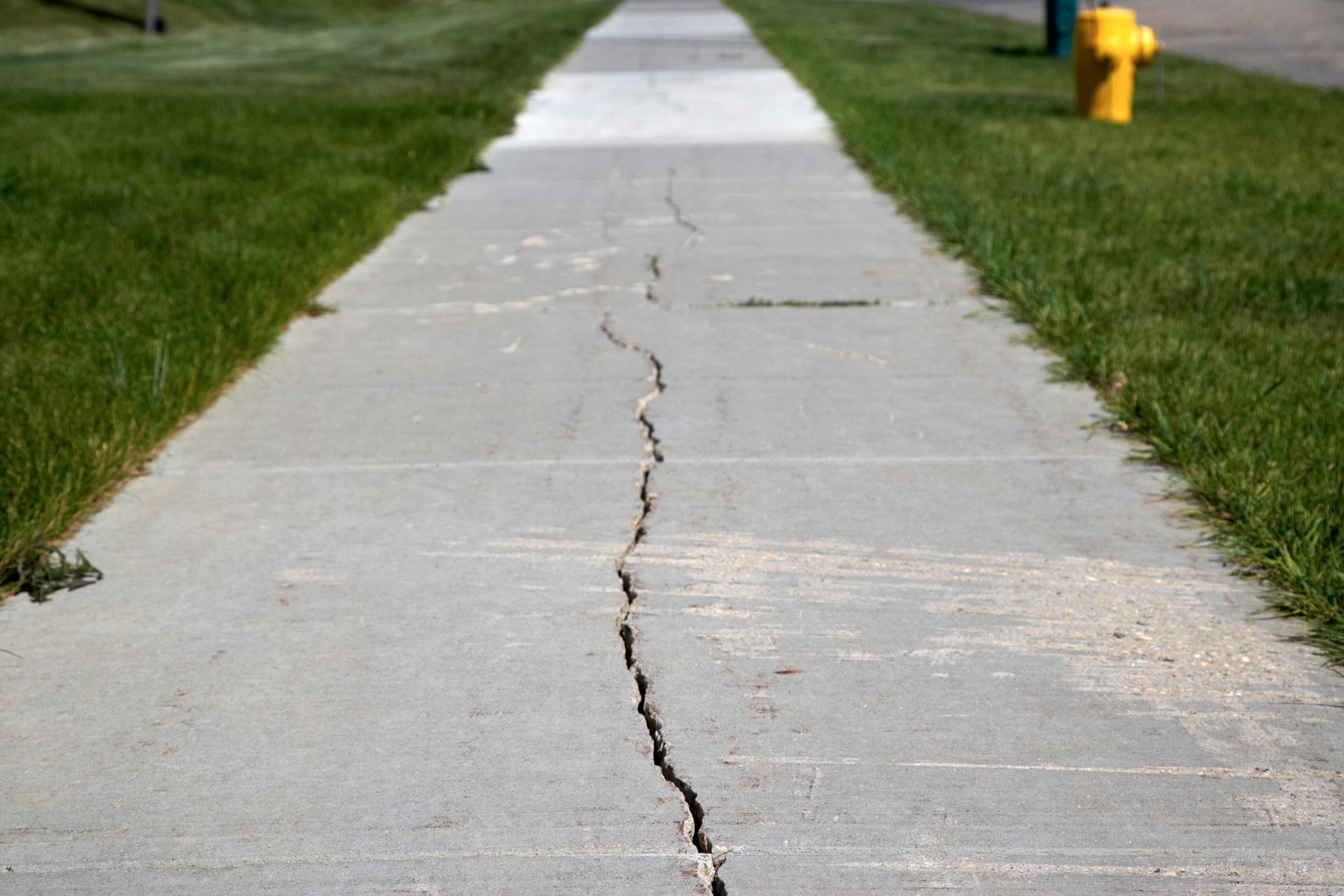
Addressing slab imperfections early preserves the integrity of your entire property while keeping visitors, employees, and tenants safe from hazardous accidents. When property owners ignore initial hairline fractures or surface flaking, they invite deep water intrusion that quietly compromises underlying support soils and internal steel reinforcements. According to House Grail, concrete consists of 60% to 75% aggregate, 15% cement and water, and 5% to 8% air. Scheduling dependable commercial concrete repairs ensures that small voids, joint separations, and chemical damage are corrected before massive structural failures take place.
1. Stopping Severe Foundation Settlement and Subgrade Erosion
Soil beneath heavy concrete flatwork constantly reacts to seasonal moisture changes, plumbing leaks, poor drainage, and heavy vehicle vibrations. When rainwater washes through unsealed joints or cracks, it slowly erodes the fine aggregate and compacted soil that supports the slab from underneath. As this subgrade base washes away, large hollow pockets form beneath the concrete, leaving the heavy slab suspended over empty space without continuous support.
Scheduling timely commercial concrete repairs stabilizes the underlying soil through advanced methods like polyurethane foam injection or pressure grouting before the slab collapses. Skilled repair specialists drill small, non-invasive access ports through the slab surface, pumping high-density materials directly into the hidden voids to re-establish a solid base. Stabilizing the soil base stops foundation shifting in its tracks, prevents interior walls from cracking, and ensures your heavy flatwork remains completely level under intense daily loads.
2. Preventing Internal Steel Reinforcement Rust and Delamination
Most commercial flatwork relies on internal steel rebar networks or welded wire mesh to handle tension stresses and heavy dynamic vehicle weights. Concrete naturally provides a high-alkaline shield that protects embedded steel from oxidation, but that protection quickly vanishes when deep cracks let in surface water and salts. Once moisture reaches the internal steel, the metal begins to corrode and expand up to several times its original volume.
Enlisting dedicated commercial concrete repairs stops this aggressive corrosion cycle by sealing off entry paths and repairing spalled areas before internal rebar deteriorates beyond recovery. Technicians clean out loose debris, treat exposed rebar with corrosion inhibitors, and patch the damaged zones using high-strength polymer-modified repair mortars. Stopping internal steel expansion prevents dangerous delamination, preserves load capacities, and extends the structural life of bridges, loading docks, and elevated parking decks.
3. Eliminating Dangerous Trip Hazards and Walking Surface Gaps
Uneven sidewalk panels, lifted walkway joints, and sunken entry slabs represent a major legal and physical liability for any open commercial facility. Frost heaves, expansive clay soils, and aggressive tree roots easily shift adjacent panels, creating abrupt vertical height differences along pedestrian paths. These sudden elevation changes violate accessibility standards, catch walking shoes, and cause sudden slip, trip, and fall injuries among customers, clients, and dedicated staff members.
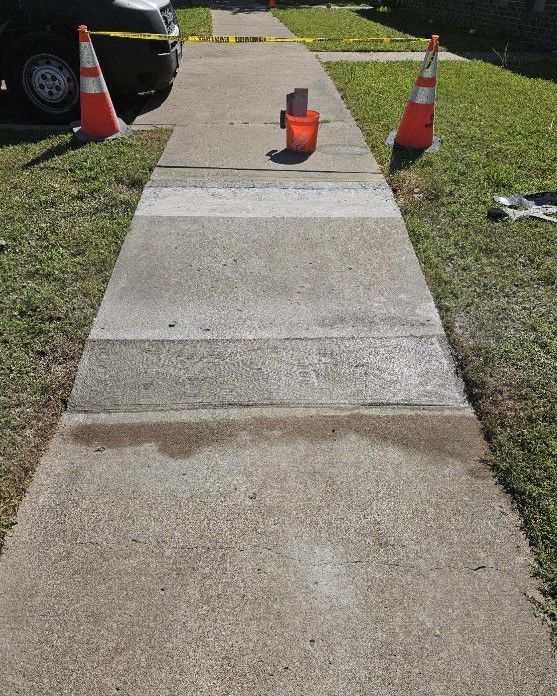
Investing in targeted commercial concrete repairs eliminates sudden elevation shifts through precision horizontal saw cutting, concrete shaving, or hydraulic slab lifting. Experienced technicians level out uneven joints quickly without tearing out entire sidewalks or disrupting normal building foot traffic. Smoothing out uneven walking surfaces restores safe pedestrian flow, keeps facilities fully compliant with strict safety regulations, and shields your business from costly personal injury claims.
4. Halting Freeze-Thaw Cracking and Surface Spalling
Winter weather introduces punishing freeze-and-thaw cycles that attack porous exterior slabs throughout cold nights and thawing sunny days. Water that seeps into unsealed concrete pores expands by roughly nine percent as it freezes, exerting tremendous internal hydraulic pressure against the surrounding aggregate and paste matrix. After repeated freezing cycles, the brittle surface layers give way, leading to widespread flaking, pitting, deep scaling, and crumbling edges along control joints.
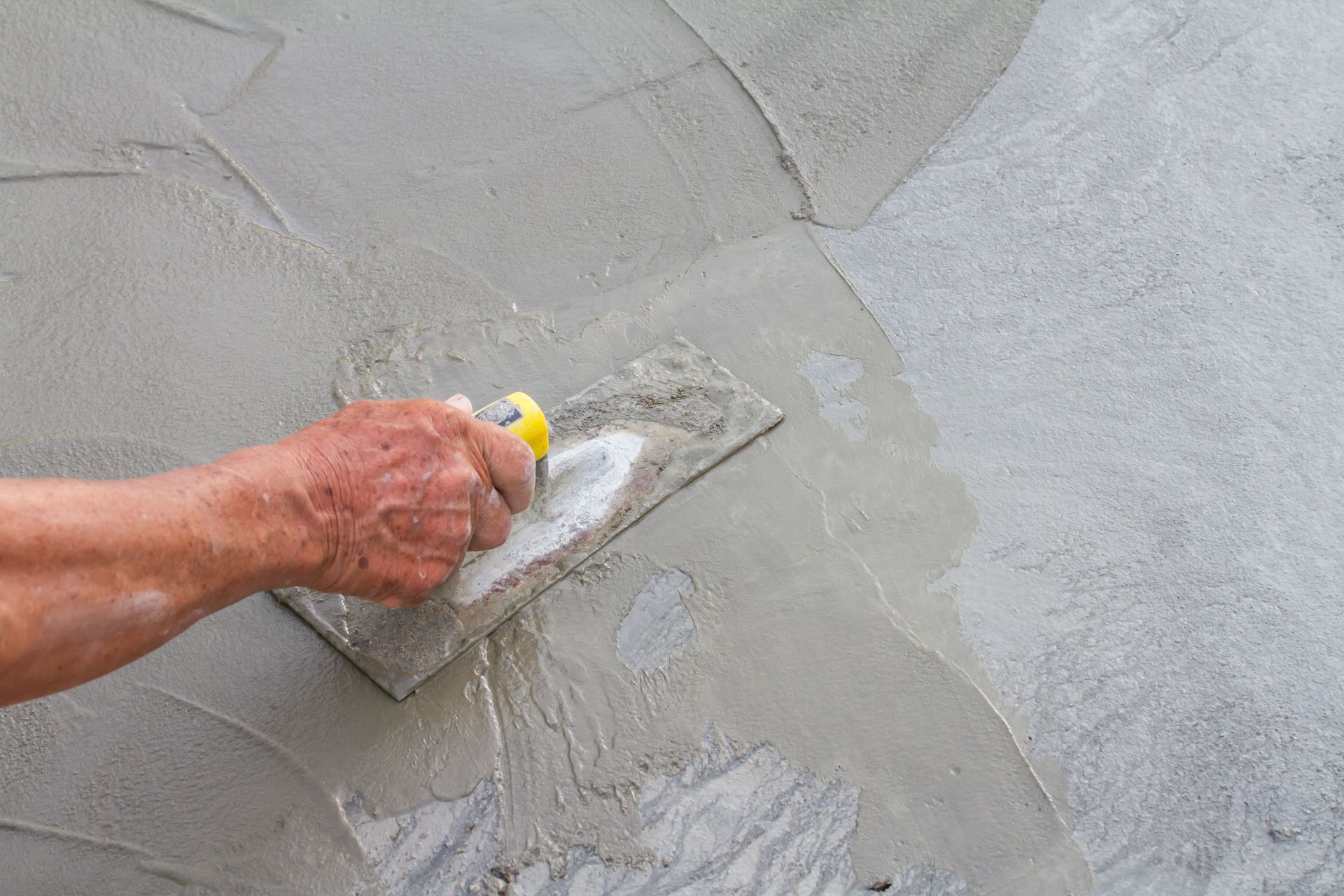
Booking professional commercial concrete repairs repairs damaged surface zones with breathable, frost-resistant capping mortars while sealing open surfaces with deep-penetrating silane or siloxane treatments. These specialized sealants create an invisible hydrophobic barrier that repels liquid water, road salts, and chemical melting agents while still allowing trapped internal moisture vapor to escape harmlessly. Halting freeze-thaw damage keeps drive aisles smooth, preserves clean surface aesthetics, and prevents winter weather from chewing away at expensive exterior flatwork.
5. Blocking Chemical Intrusion and Deep Industrial Wear
High-traffic industrial floors, commercial loading docks, and fleet maintenance garages face constant exposure to caustic automotive fluids, forklift wheel friction, battery acids, and hydraulic oils. Standard unprotected slabs absorb these harsh chemicals easily, which weakens the cement paste binder and slowly breaks down the structural aggregate matrix from within. Over time, chemical saturation softens the concrete, creating rough potholes, surface ruts, and airborne dust that fouls sensitive mechanical equipment.
Executing high-performance commercial concrete repairs restores chemically degraded areas using tough epoxy mortars, polyaspartic coatings, or fast-curing urethane hybrid overlays. Specialists mechanically grind away oil-soaked surfaces down to clean, sound aggregate, applying chemical-resistant patching compounds that cure harder than original concrete. Shielding your industrial floors against harsh chemicals maintains sanitary floor conditions, prevents tire wear on warehouse machinery, and ensures your production floor remains safe and durable.
Managing Joint Expansion and Control Seam Failures
Concrete naturally expands in hot summer weather and contracts during freezing winter temperatures, requiring properly designed control joints to handle this continuous movement. When joint filler materials dry out, shrink, or tear away, open seams collect hard pebbles, dirt, and water that lock the joint into a rigid position. When the slabs try to expand against these trapped, non-compressible materials, the high internal pressure crushes and spalls the concrete edges along the joint line.
Relying on established commercial concrete repairs ensures that deteriorated joint fillers are cleaned out, re-cut, and resealed with high-grade elastomeric polyurea or polyurethane sealants. Flexible joint compounds move naturally with seasonal slab expansion while keeping out damaging debris and surface runoff. Maintaining functional expansion joints protects slab edges from crumbling under forklift traffic, prevents random stress fractures, and preserves clean floor lines across large open commercial facilities.
Lowering Life Cycle Costs and Long-Term Overhead
Postponing routine concrete maintenance in hopes of saving money is a short-sighted strategy that always results in significantly higher expenses over time. What starts as a minor surface crack requiring a simple sealant application can quickly degenerate into a ruined base, corroded rebar, and sunken slabs requiring total demolition and repouring. Major slab replacement operations shut down customer parking lots, block loading bays, and force businesses to halt daily revenue-generating activities for days or weeks.
Preserving the safety, appearance, and structural durability of your commercial property demands steady attention to the subtle wear patterns affecting your concrete surfaces. Heavy vehicular traffic, unpredictable seasonal weather, subgrade soil settlement, and corrosive chemical exposures continuously work to degrade even the strongest poured slabs, turning minor hairline cracks into expansive structural failures when left unaddressed.
Taking action at the first sign of concrete wear maintains a polished professional image, keeps your facility compliant with safety guidelines, and extends the operational lifespan of your pavement assets by decades. If you are ready to eliminate tripping risks, level sunken slabs, and protect your commercial flatwork against expensive long-term damage, reach out to the dedicated restoration team at Walkway Restoration Inc to schedule your evaluation and secure superior
commercial concrete repairs!